


Research cited. Mechanisms explained. No conclusions borrowed from marketing.
Every article traces its claims to a published study or clinical trial. Coverage focuses on how ingredients work at a physiological level — so you can interrogate product labels yourself.
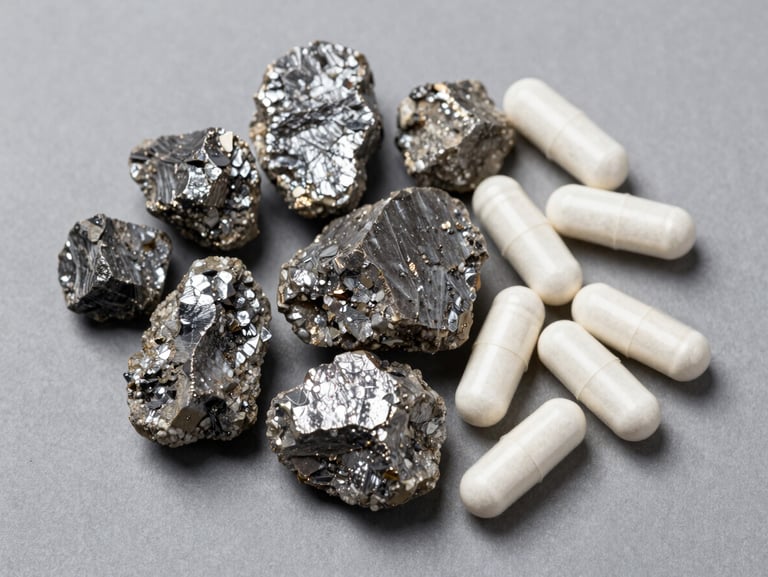
Magnesium Bioavailability: What the Dose Data Actually Shows
Oxide versus glycinate versus threonate — the form determines absorption, and most labels omit that context entirely. This analysis walks through the controlled-trial data on each compound and where clinical evidence is still incomplete.



Mechanism, dosing, and clinical context
Omega-3 EPA vs. DHA: Distinct Roles, Distinct Evidence
Ashwagandha and Cortisol: Reading the Trial Designs
Vitamin D Thresholds: When the Dose Stops Mattering
Iron Deficiency Without Anaemia: The Overlooked Threshold
Ferritin ranges used in supplement marketing often differ from clinical diagnostic thresholds. A plain-language review of what the haematology literature actually defines as deficient.
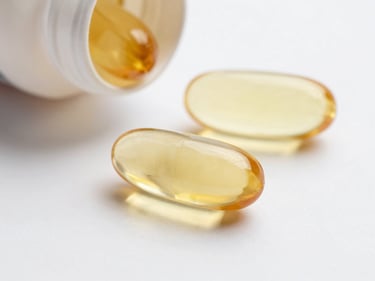
EPA and DHA are not interchangeable. A review of RCT data shows where each compound has trial support — and where combined-ratio products obscure the distinction.
Stress-reduction claims vary widely by extract standardisation and trial duration. This breakdown examines which study designs hold up and which endpoints are too soft to cite.
Serum saturation data suggests a ceiling most high-dose products ignore. An evidence summary of dose-response curves across deficiency and sufficiency populations.
Every claim on this site has a citation attached to it.
If an ingredient's evidence is thin, we say so. If a dose is too low to replicate trial results, we flag it. The Ingredient Library is where that analysis lives.